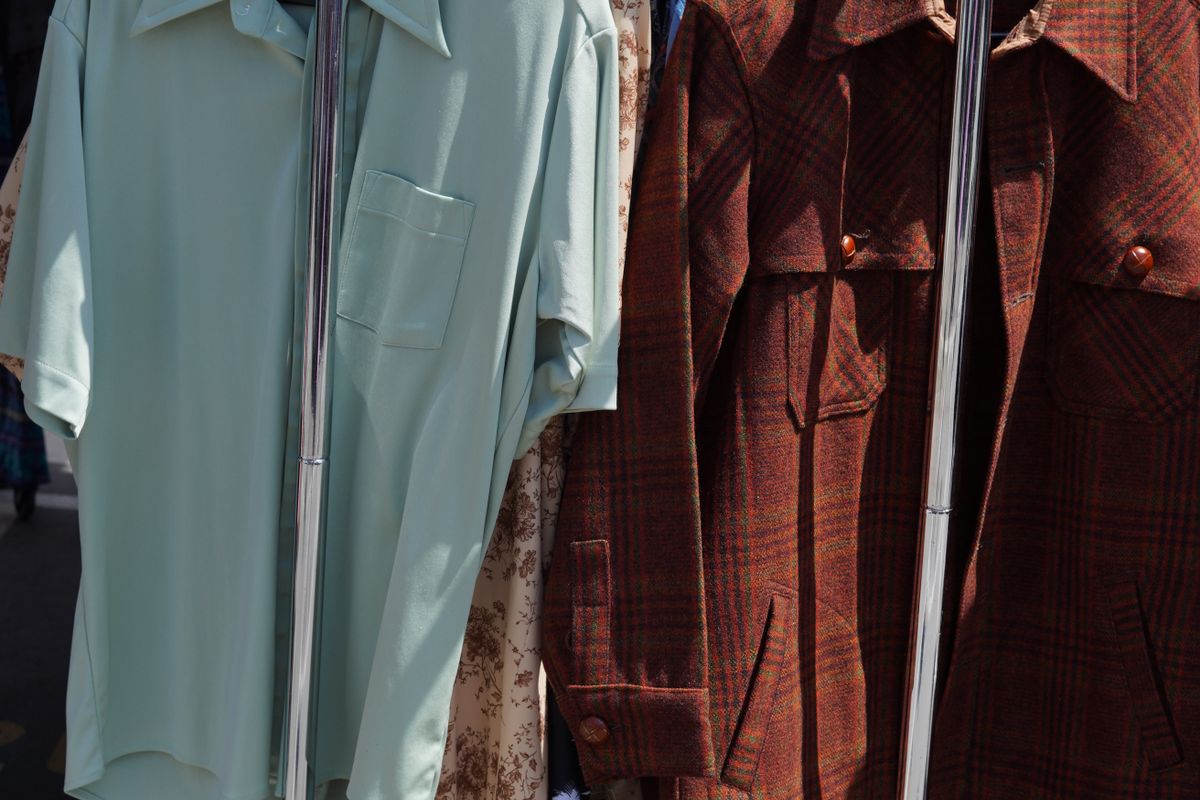
Secondhand Clothing: A Ten-Point Inspection Before You Pay
Thrift and resale finds need a different checklist than new garments: stress points, odor mapping, hardware, label law, and the flaws worth paying for.
Nov 9, 2026 · Updated Nov 9, 2026
Independent · Self-funded · No brand deals
NewsletterSection
Cross-category how-tos: sizing across brands, fabric care, and the standards behind the labels.
Thrift and resale finds need a different checklist than new garments: stress points, odor mapping, hardware, label law, and the flaws worth paying for.
Nov 9, 2026 · Updated Nov 9, 2026
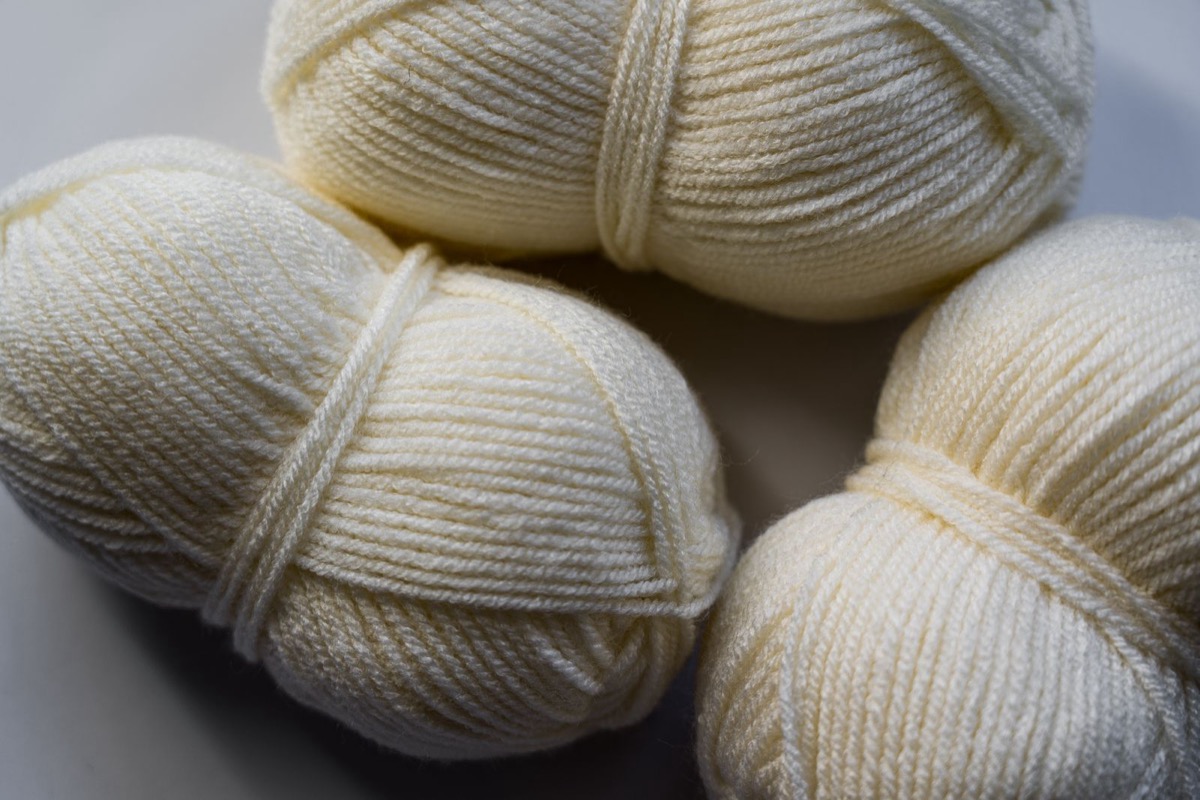
The Wool Products Labeling Act of 1939 decides when a tag may say wool, when it must say recycled wool, and which animal fibers the word legally covers.
Oct 9, 2026 · Updated Oct 9, 2026
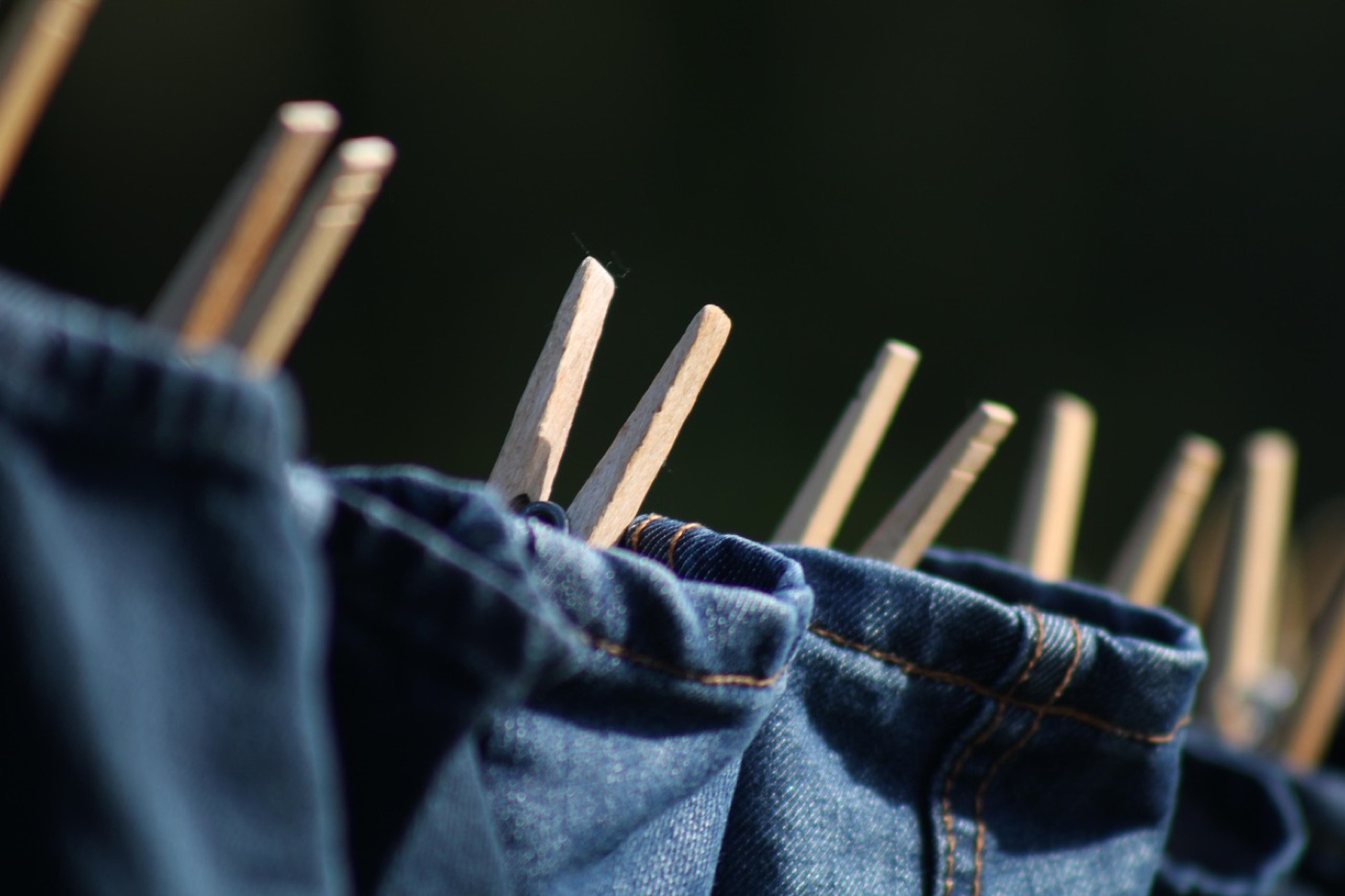
Since 1972 the FTC has required a permanent care label with a reasonable basis behind it — the rule also contains the loophole that lets washable garments say dry clean only.
Oct 1, 2026 · Updated Oct 5, 2026

The Fur Products Labeling Act forces a fur trim to carry the animal's name, its country of origin, and the words dyed or used — but nothing about quality.
Sep 29, 2026 · Updated Sep 29, 2026

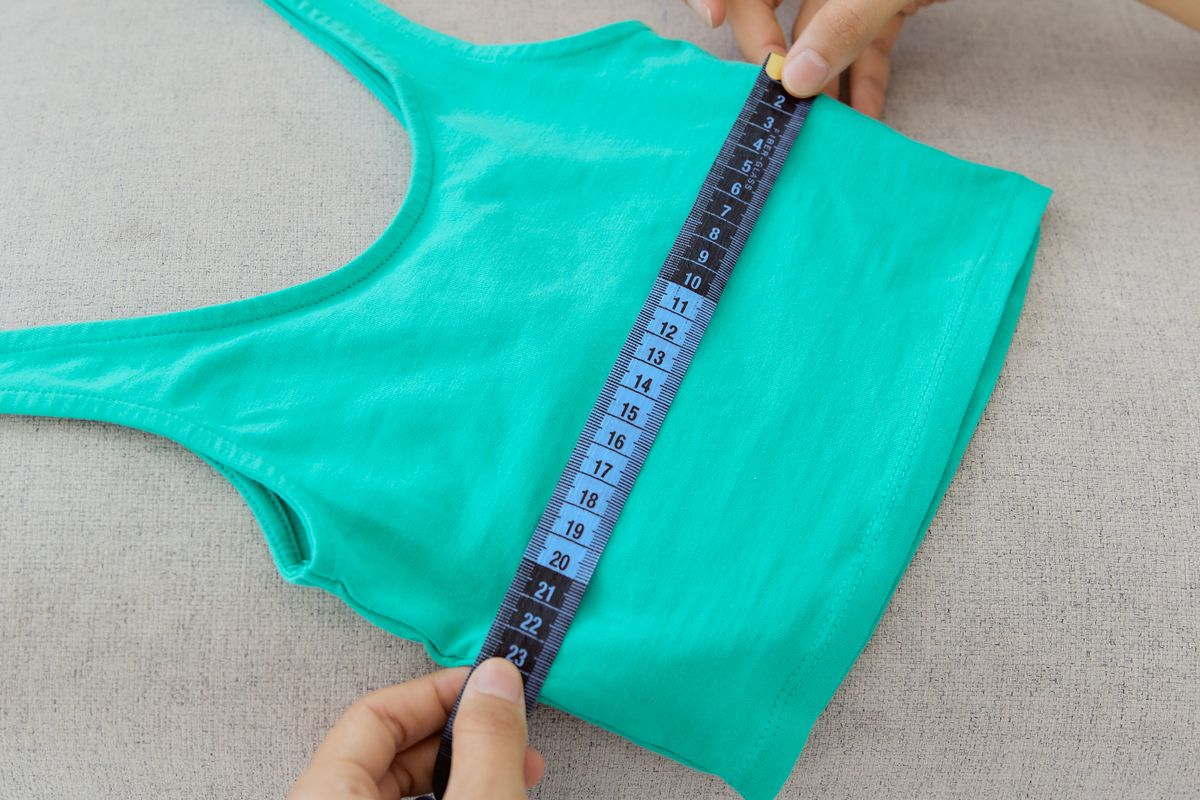
Size charts fail because the numbers behind them drifted for seventy years. How to measure your body, measure the garment flat, and read fit feedback instead of trusting a label.
Sep 6, 2026 · Updated Sep 6, 2026
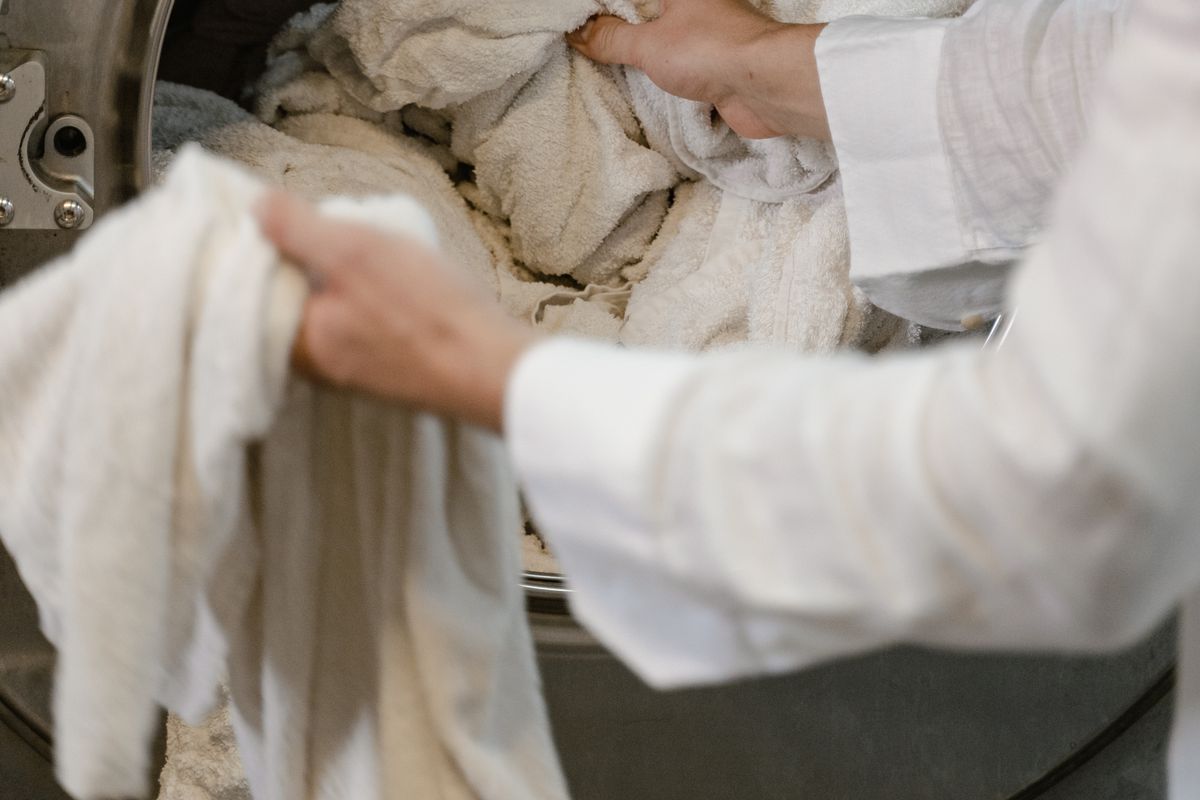
The five care symbols and their variants, who owns them, what US law actually requires, and why the crossed-out drying symbol is the one that costs you money.
Sep 4, 2026 · Updated Sep 4, 2026
The Textile Fiber Products Identification Act of 1960 decides what must appear on a US clothing label — fiber names, percentages, RN numbers, origin — and what is legally optional.
Aug 26, 2026 · Updated Aug 26, 2026