Guides
The Fur Act: What a Fur Label Must Say, and What It Never Says
The Fur Products Labeling Act forces a fur trim to carry the animal's name, its country of origin, and the words dyed or used — but nothing about quality.
By Claire Donovan · Published Sep 29, 2026 · Updated Sep 29, 2026
The short version
The Fur Products Labeling Act forces a fur trim to carry the animal's name, its country of origin, and the words dyed or used — but nothing about quality.
Every label term in this guide is explained in what the symbols actually mean .
The Fur Products Labeling Act makes a demand so plain it reads like a specification: every fur product sold in US commerce must carry a label stating the name of the animal, whether dyed, whether used, and — since 2010 — the country where the fur came from. That is the entire core of the statute, and it exists because fur is the one apparel material the shopper cannot inspect. A cotton shirt can be judged by hand; a mink collar can be dyed rabbit. The law answered with names.
The Name Guide decides what the tag can say
The Act does not let a manufacturer pick its own vocabulary.
Under the FTC’s Fur Products Name Guide, the label must carry the animal’s name as listed — “raccoon dog” if that is the species, even when the garment industry would prefer calling it “Asiatic raccoon.” The 2010 amendment tightened exactly this: mislabeled raccoon dog trim had been turning up sold as raccoon or faux fur, and the response was to make the animal-name requirement absolute. Selling fox under the name mink is misbranding regardless of how close the two look. The same naming logic that governs fiber percentages under the Textile Act runs through this statute: the government regulates the noun, not the adjectives.
Dyed, used, and the words that must appear
Three qualifying words change what a label means. “Dyed” must appear when the natural color has been altered, because pale furs take dye readily and get sold in mink-like colors. “Used” must appear when the fur has had a previous life — a rebuilt coat sold as new is misbranding.
And the product must be designated “Fur” or, for imitation material, “Fake Fur,” so the categories cannot blur on a rack. Country of origin joined the mandatory set only in 2010; a compliant label reads like “Genuine Fur: Dyed Mink, Origin: Denmark.” A label missing any element is the specific condition the Act was written to stop.
What the Act covers, trim included
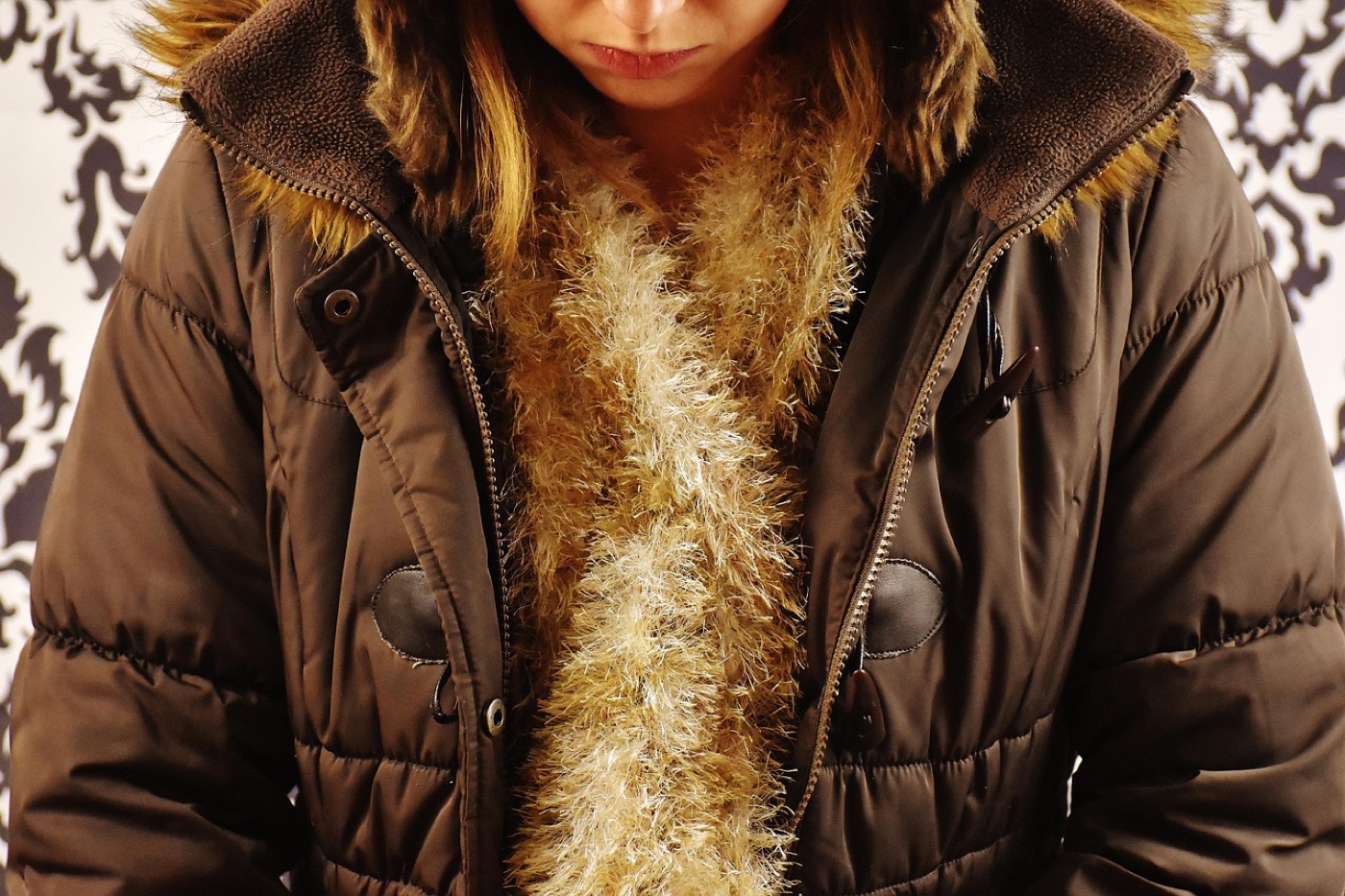
The statute reaches any product made in whole or in part of fur, which puts the trim on a parka hood inside the law, along with fur-lined shoes. It does not cover leather with hair removed or materials the FTC has not recognized as fur-like. The practical effect: any real fur anywhere on a garment puts it under this statute — the same all-or-nothing philosophy the Wool Act applies to animal fibers.
What it governs, and what it cannot reach
The Act governs identity: which animal, what treatment, which country. It says nothing about quality, and that silence shapes the market. There is no legal definition of a “prime” pelt, no regulated grading of underfur density or damage — auction houses grade pelts by their own systems, and a $3,000 scarf competes on the maker’s reputation, not any government check. The Act is also silent on maintenance: fur care is its own craft, the care label system barely reaches it, and professional cleaning is advice, not obligation.
The pattern holds across the statutes. Each federal labeling law buys the shopper one reliable fact and leaves the rest to the market — the Wool Act bought fiber content, the jewelry guides bought metal purity, as in the gold-filled and vermeil dividing line. For fur, the fact bought is the animal’s name. Before buying, read past the hangtag to the sewn-in label and look for the animal name, full and undecorated. If the label names nothing, the price is telling you what the law requires the seller not to say.
Claire Donovan
Spent eight years in womenswear buying before moving to editorial research. Reads care labels for fun and returns nothing without a wear log. How we rate.
More in Guides
FAQ
- Does the Fur Act cover fake fur?
- Yes, and that surprises most readers. The statute covers any product containing material that imitates natural fur, and such products must be labeled 'fake fur' or 'imitation fur' so the buyer can tell the difference at a glance. The same law that protects mink buyers also obliges the maker of an acrylic-lined trapper hat to say plainly that nothing on it came from an animal.
- Is there still a dollar limit under which fur goes unlabeled?
- There used to be. Until 2010, products with fur value under $150 escaped the labeling requirement entirely, which is how unlabeled rabbit trim ended up on cheap gloves and toys. The Truth in Fur Labeling Act of 2010 removed that exemption, so today every product containing fur requires the full disclosure.
- Can a label say 'shearling' instead of naming the animal?
- No. Shearling is a marketing word for lambskin with the wool still attached, and the FTC's Fur Products Name Guide does not accept it as a label name. A sheepskin product must be labeled by the animal name the Guide lists. Marketing vocabulary on the hangtag is fine; on the legally required label, the Guide's names only.