Jewelry
Gold-Filled vs Gold-Plated vs Vermeil: What the Labels Legally Mean
The three labels that decide whether your chain outlives the receipt — what US guidance actually reserves each term for, and how to read a jewelry listing in ten seconds.
By Claire Donovan · Published Sep 22, 2026 · Updated Sep 22, 2026
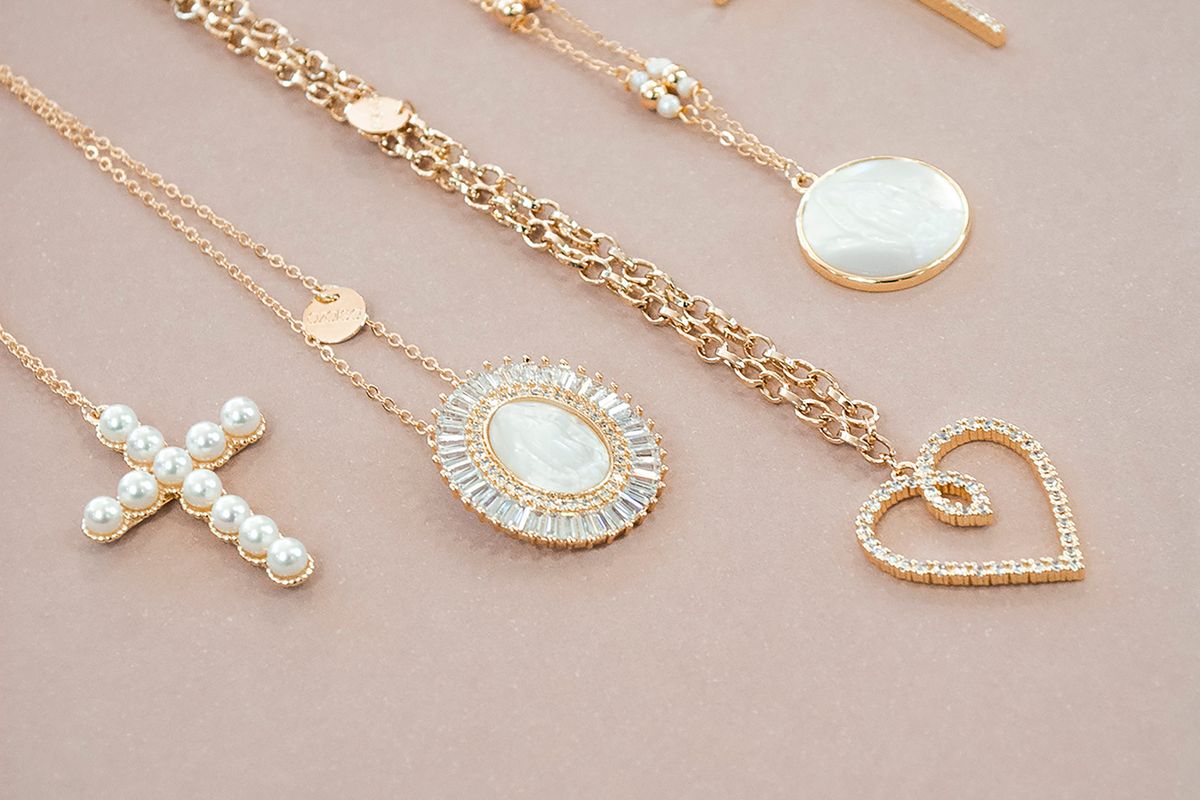
Gold jewelry listings use three words — gold-filled, gold-plated, vermeil — that look interchangeable and are not. The difference is mostly a question of thickness and base metal, and one of them is protected by actual US regulatory guidance. Here is what each label means, and the ten-second test that sorts a good listing from a vague one.
The short version
Gold-plated is the thinnest of the three: a base metal, usually brass or steel, with a gold layer applied by electroplating. No US rule reserves the term, so thickness varies wildly between makers — and the layer is thin enough that friction points (rings, bracelet clasps, chain edges) commonly wear through to base color within months of daily wear.
Vermeil is plated jewelry with guardrails: under the US Federal Trade Commission’s Jewelry Guides (16 CFR Part 23), the term is reserved for sterling silver coated with gold of at least 10-karat fineness and a prescribed minimum thickness. You still get a plating that can wear, but the base is silver, not mystery brass, and the floor under “vermeil” is enforceable.
Gold-filled is mechanically bonded, not plated: a sheet of gold alloy bonded to the base under heat and pressure, traditionally constituting a twentieth of the piece’s weight in 12-karat gold or better. That is several orders of magnitude more gold than plating, which is why gold-filled pieces commonly survive years of daily wear and why they cost noticeably more than plated ones.
The ten-second listing test
A trustworthy listing states four things without you asking: the base metal, the gold karat fineness, the method (plated, vermeil, or filled), and — for plated pieces — a thickness in microns. If a listing says only “18k gold” with no method, that is marketing language, not a construction fact. If it says “waterproof gold”, close the tab: no plating method makes gold layered jewelry waterproof, and the claim is a reliable sign the seller is not speaking in verifiable terms.
Which one to buy for which job
For everyday pieces you never take off — chains, huggies, permanent-bracelet candidates — gold-filled earns its price premium, because friction and sweat are exactly what plating dies of. For occasional pieces and statement earrings that live in a box, vermeil is the sweet spot: silver underneath means any eventual wear shows pale gray rather than angry green, and the price sits between plated and filled. Gold-plated is for trend shapes you expect to retire within a season or two; buy it with open eyes and store it dry.
One care note applies to all three: the enemy is chemistry, not water. Perfume, chlorine and sunscreen do more damage than a shower ever will — last-on, first-off is the whole routine.
FAQ
- Does gold-filled jewelry turn skin green?
- The green stain comes from base metals — usually copper or nickel in brass — reacting with sweat. Because gold-filled carries a thick bonded layer of real gold alloy, well-made pieces should not expose base metal to skin for years. If a gold-filled piece stains skin early, the bonding failed or the label did.
- Is vermeil real gold?
- Yes, but as a layer, not throughout. Vermeil is sterling silver coated with gold of at least 10-karat fineness at a minimum thickness set by the FTC's Jewelry Guides. It is real gold on real silver — both precious metals — just not solid gold.
- Can you shower with gold-plated jewelry?
- You can, but it shortens the plating's life. Water alone is mostly harmless; the trouble is what comes with it — soap film, chlorine, and shampoo residue that build up on thin plating. For plated pieces you want to keep looking new, take them off before showering.
Claire Donovan
Spent eight years in womenswear buying before moving to editorial research. Reads care labels for fun and returns nothing without a wear log. How we research.