Shoes
Full Grain, Top Grain, Genuine: What Leather Grades Actually Mean
The four-tier leather hierarchy is a trade convention, not a legal standard — and genuine leather, the tier buyers trust most, is the least meaningful term on the label.
By Claire Donovan · Published Oct 3, 2026 · Updated Oct 10, 2026
The short version
The four-tier leather hierarchy is a trade convention, not a legal standard — and genuine leather, the tier buyers trust most, is the least meaningful term on the label.
Every label term in this guide is explained in what the symbols actually mean .
The leather grade hierarchy — full grain, top grain, genuine, bonded — is the most quoted quality ladder in footwear, and the first thing to know about it is that no law wrote it. The FTC’s leather guides under 16 CFR Part 24 police disclosure: a split must not masquerade as whole hide, an imitation must not be called leather. But the tiers themselves are a trade convention, and the tier buyers trust most, “genuine leather,” means the least. Reading the vocabulary honestly changes how a shoe should be judged.
What the tiers describe
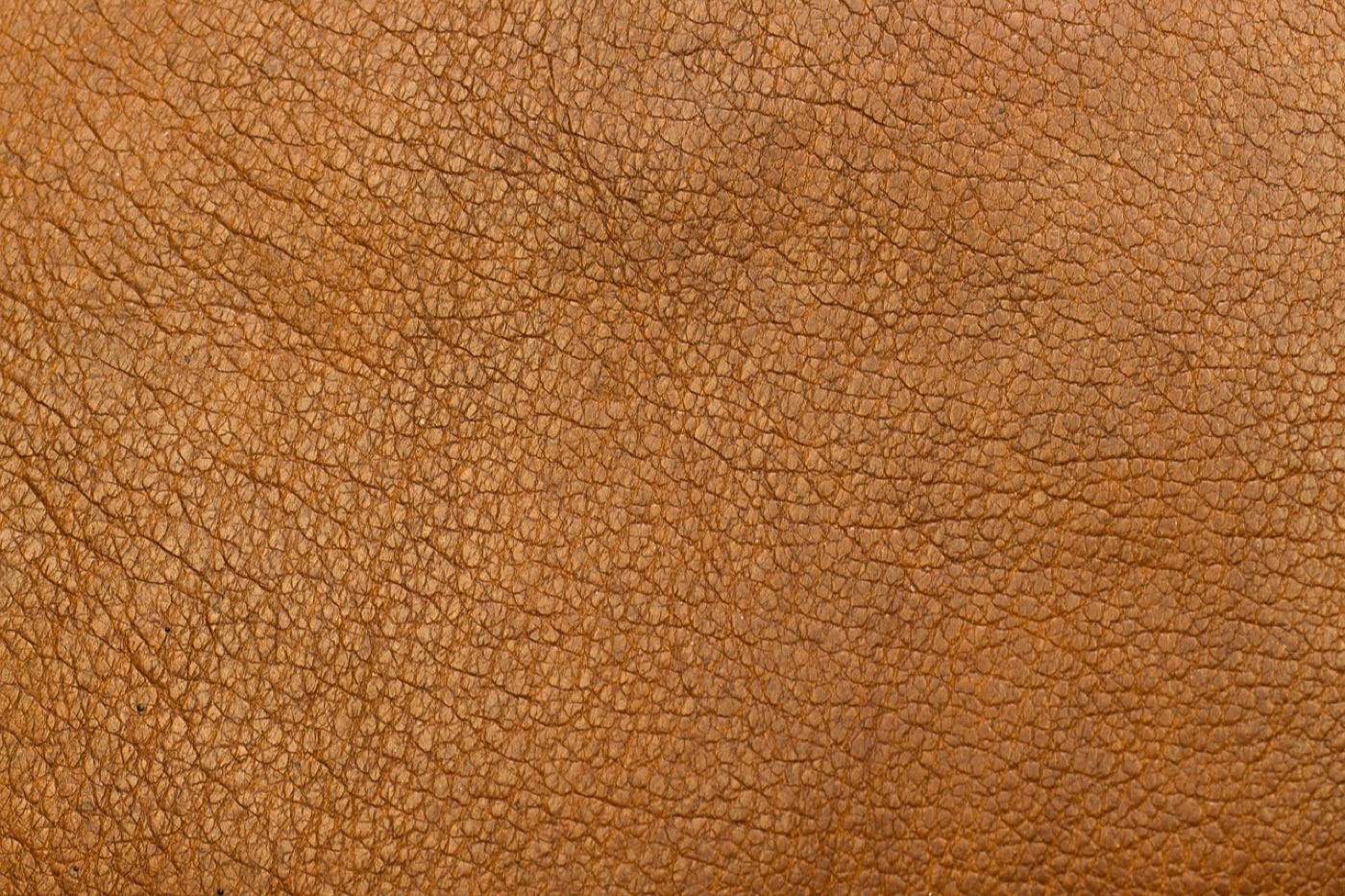
Full grain means the hide’s outer surface was left intact — every pore, scar, and growth line visible, nothing sanded away. It is the strongest part of the hide, because the grain layer is the tightly interwoven fiber structure, and it patinas instead of wearing out. Top grain is the layer just beneath, or the grain sanded lightly to remove blemishes: slightly weaker, more uniform, easier for a factory to work. Genuine leather, in trade practice, is the tier below that — real leather, often from the belly or with heavier correction, marketed on a word chosen for its reassurance rather than its precision. Bonded leather is fiber scrap blended with adhesive and pressed into sheets; it must be labeled as bonded, and no serious footwear uses it for uppers. Suede and nubuck cut across the ladder: suede is flesh side napped, nubuck is grain side buffed, and either can come from good or poor raw material.
Why the tannery matters more than the tier
The tiers describe one variable — how much of the grain survived — while the tannery controls everything else: the animal, the area of the hide a panel was cut from, the tanning chemistry, the fatliquoring that decides hand and flex life. A top grain from a first-rate tannery outlasts full grain from a mediocre one, because a shoe upper dies at flex points, and flex resistance is chemistry, not layer count. This is the same construction-over-adjective read that drives the spec check on white leather sneakers: the tag word is a start, the tannery and the cut are the substance.
What the law actually requires
The federal guides reach the lies, not the grades. A product of split leather must say so, “genuine” cannot be printed on imitation material, and terms like “leather-covered” have defined meanings. Everything comparative — premium, top quality, the implied promise of the ladder itself — is unregulated. The result is a market where “genuine leather” is technically true on a $40 shoe and a $400 one, and the difference lives in facts the label omits: thickness in ounces, tannery, and part of the hide. Uppers run roughly 2 to 3 ounces, where one ounce is 1/64 inch, about 0.4 millimeters; a maker who can state that number for a specific model has already told you something most listings will not. The same skepticism toward unregulated vocabulary applies to the care words on rain-ready boot claims — leather is a material whose marketing vocabulary outruns its regulated one, and the gap is where most disappointment lives.
The check takes a minute. Find the cut edge of the upper or a stressed crease near the toe: full grain shows an irregular, fibrous edge and grain that varies across the panel; corrected and genuine leathers show uniform, almost printed-looking grain and a flat, sealed edge. Then crease the toe gently and watch it return. Leather that wrinkles finely and recovers was worth tanning well; leather that creases into a hard line was not, whatever the label calls it.
Claire Donovan
Spent eight years in womenswear buying before moving to editorial research. Reads care labels for fun and returns nothing without a wear log. How we rate.
More in Shoes
FAQ
- Is full grain legally defined in the US?
- No. Federal rules under 16 CFR Part 24 police how leather and imitations may be described — splits must be disclosed, imitations must be labeled — but the term full grain has no binding definition a court would enforce. It is a trade convention meaning the grain surface was left unaltered, and sellers apply it with varying rigor. Treat it as a claim to verify by feel and edge, not a certified grade.
- Is genuine leather good leather?
- Not necessarily, despite the name. In the trade hierarchy genuine leather is a tier below full grain and top grain — it is real leather, but usually from lower areas of the hide or with the surface corrected, and the word genuine was popularized precisely because it sounds like assurance. It is legally real and commercially near-meaningless: plenty of it performs well for belts and casual shoes, but it is not the premium the word implies.
- What thickness should shoe leather be?
- Leather is measured in ounces, where one ounce equals 1/64 inch, about 0.4 mm. Shoe uppers commonly run 2 to 3 ounces, belt leather 8 to 10, and sole leather 10 or more. For uppers, the useful range is a balance: thinner than 2 ounces creases and tears at the toe box, while much above 3.5 ounces feels boardy and takes months to soften. A seller who can state thickness in ounces usually knows their tannery.