Eyewear
Blue-Light Glasses: What the Evidence Actually Supports
The American Academy of Ophthalmology finds no evidence that screen blue light damages eyes. What blue-light lenses actually do, and what eases eye strain.
By Claire Donovan · Published Sep 23, 2026 · Updated Sep 23, 2026
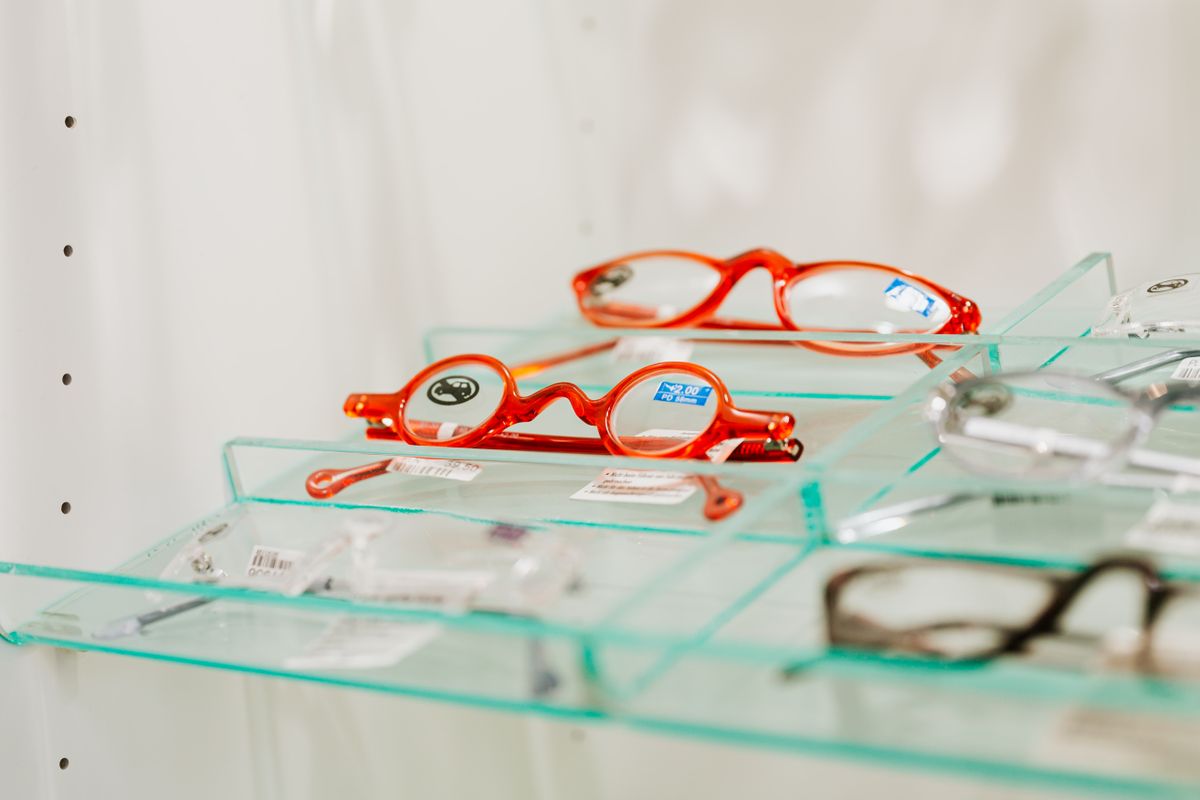
Blue-light glasses are sold on a single frightening word: damage. Product pages imply that screens emit something that ages the retina, and that a filter stops it. The eye-health establishment does not agree with that framing, and knowing its actual position — plus how these lenses differ — is enough to decide whether a pair is worth the money.
What blue light actually is
Blue light is the short-wavelength end of visible light, roughly 450 to 495 nanometers. Shorter wavelengths carry more energy than red or green, which is where the “high-energy visible light” phrase on marketing pages comes from. What those pages leave out is proportion: the sun is by far the largest source of blue light anyone encounters, and a phone adds a small fraction on top of it. A workday of screens has never been shown to cause eye disease in the published research.
What the eye-health authorities say
The American Academy of Ophthalmology states plainly that there is no scientific evidence the light from computer screens is damaging to the eyes, and it does not recommend any special eyewear for computer use. Several studies it references found that blue-light blocking lenses did not improve symptoms of digital eye strain. Academy spokespeople add a warning about overcorrection: acting against a hazard the evidence does not support has its own costs, since tinted lenses worn all day distort color for no proven benefit.
Coating versus tint
Not all blue-light lenses work the same way. Cheaper pairs use a surface coating — a thin reflective layer that bounces back a slice of the blue band and leaves a faint bluish sheen on the front of the lens. Others use substrate tinting: a yellow dye mixed into the lens material itself, which blocks more blue but makes everything on screen look warmer. Either way, the label rarely tells you how much of which band gets blocked. A maker confident in its claim states the percentage and the wavelength range; “blocks harmful blue light” with no numbers is the tell. It is the same discipline that separates a real UV400 claim from a vague one on sunglasses labels.
Why screens make your eyes hurt anyway
None of this means the discomfort is imaginary. When people concentrate on a screen, they blink far less often, the tear film evaporates, and the eyes dry out and ache. Sustained close focus adds fatigue on top. These effects are real, temporary, and caused by how the screen is used — not by what it emits. The Academy’s advice is unglamorous and free: follow the 20-20-20 rule, looking at something 20 feet away for 20 seconds every 20 minutes; sit about an arm’s length from the display, positioned slightly below eye level; use artificial tears when the eyes feel dry.
What a pair is actually for
If the filter neither protects the retina nor relieves strain, what remains? Sleep. Blue light does influence the circadian rhythm, and evening screen exposure can delay it. Some studies suggest amber-tinted lenses worn at night help people fall asleep; the Academy’s simpler advice is to cut screens in the two to three hours before bed and use night mode, both of which cost nothing. If an evening pair fits the routine, fine — buy it as a sleep aid with mixed evidence, not as insurance against retinal damage that the research does not support. The habit of pinning down what a listing actually promises, rather than what its adjectives imply, is the same one our tote bag guide walks through.
FAQ
- Do blue-light glasses reduce digital eye strain?
- The American Academy of Ophthalmology does not recommend any special eyewear for computer use, and several studies it cites found that blue-light blocking lenses did not improve eye strain symptoms. The strain comes from blinking less and holding focus up close. Breaks, artificial tears and better screen positioning do more than any coating.
- Is blue light from screens harmful to the retina?
- There is no scientific evidence that blue light from digital devices damages the eye, according to the Academy. Sunlight is by far the larger source of blue light, and a screen's output is small by comparison. Claims that screen exposure causes retinal disease or blindness are not supported by current research.
- Should I wear blue-light glasses at night for sleep?
- This is the one claim with partial support: blue light influences the circadian rhythm, and evening exposure can make falling asleep harder. But the Academy's advice is cheaper — stop using screens two to three hours before bed and switch devices to night mode. An amber-tinted pair is an optional extra, not a substitute for the habit.
Claire Donovan
Spent eight years in womenswear buying before moving to editorial research. Reads care labels for fun and returns nothing without a wear log. How we research.