Polarization is the most quoted and least understood word in sunglass
retail. Listings use it as a shorthand for quality, which it is not — it is
a single optical feature with a specific job, and it says nothing about
ultraviolet protection, lens durability, or how the frame survives a second
summer. Reading an everyday polarized sunglasses listing properly means
separating the feature that filters glare from the four specs that decide
whether the pair is still in service in three years. This piece walks the
checklist, then applies it to three verified picks at three price points.
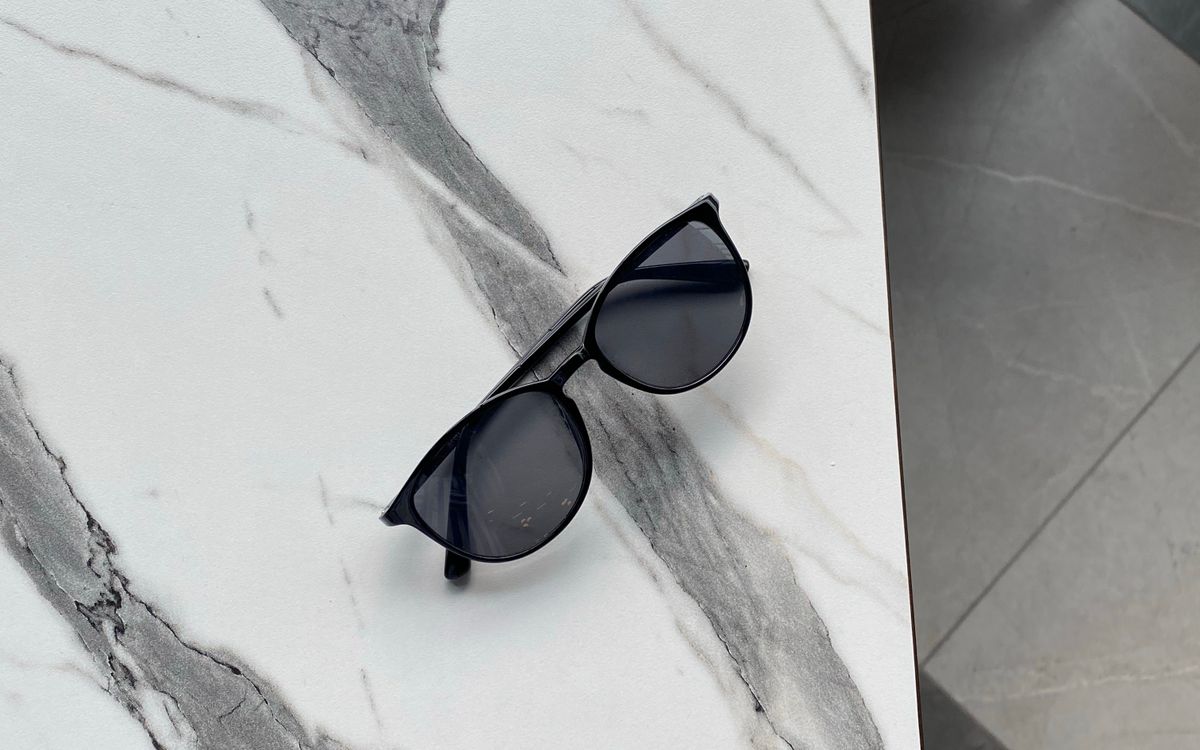
Glare filtering, lens material, coverage, and hardware — four separate specs wearing one word.
What polarization actually does
Light reflected off a flat surface — water, asphalt, a car hood, snow —
comes back partially polarized, meaning its waves line up along a preferred
direction. A polarized lens contains a filter oriented to block that
aligned component, which is why surfaces lose their shimmer and dashboard
reflections drop away. The effect is real and testable in seconds: rotate
a polarized lens ninety degrees against another polarized lens and the
overlap darkens almost to black. No amount of dark tint performs this
trick, because tint reduces light in every direction equally while
polarization filters one direction specifically.
What polarization does not do is equally important. It is not an
ultraviolet rating. UV protection comes from a coating or from the lens
material itself absorbing UVA and UVB, and the two features are engineered
independently — a lens can be perfectly polarized and still pass UV, which
is worse than useless because a dark lens makes the pupil dilate behind no
UV filter. The
UV400 explainer covers what the label
must promise, and the
polarization claims guide
separates the two concepts at label level. When a listing says “polarized”
and stays silent on UV400, the silence is the finding.
Check one: lens material
Three materials dominate everyday sunglasses, and each is a different bet.
Glass, the traditional choice, has the best optical clarity and the best
scratch resistance, at the cost of weight and a failure mode — it cracks
rather than scuffs. Polycarbonate is impact-resistant, light, and cheap to
produce; it scratches more readily, which is why coatings matter so much on
it. Nylon-family lenses (often labeled polyamide or a branded variant) sit
between the two: clearer than polycarbonate in many people’s judgment,
lighter than glass, and more tolerant of temperature swings. The
lens coatings guide explains why the
coating stack matters as much as the base material.
The material is rarely printed on a hangtag, but it is usually on the
product page of any maker that buys decent lenses. Its absence from a
listing is not disqualifying; its presence is a sign the maker expects the
buyer to read.
Check two: how the polarization is built in
Polarized filters are laminated into or onto the lens, and construction
varies with price. At the bottom of the market the filter is a thin film
glued between cheap substrate layers — functional, and prone to delamination
or bubbles after seasons of heat cycles in a parked car. Better
constructions laminate the filter inside the lens material itself. The
maker’s own description usually hints at which construction you are buying:
a page that describes its lens technology in detail — as Maui Jim does with
PolarizedPlus2, a named lens system the brand applies across its whole
sunglass line — has committed publicly to a construction a returns
department can verify. A page that lists “polarized” in a bullet and moves
on has told you nothing about how the filter got into the lens.
Check three: coverage and base curve
Glare arrives from angles, not just straight ahead, so a lens that wraps —
a higher base curve, in industry language — shields the eye from reflected
light entering from the side. This is why fishing and driving sunglasses
wrap more aggressively than fashion shapes. The trade-off is optical: the
more the lens curves, the more engineering the maker must put into distortion
control, which is where cheap wrapped sunglasses earn their reputation for
headaches. For everyday wear, a moderate wrap with a stated UV400 rating is
the safer bet than either a flat fashion shape that leaks side light or a
deep sport wrap from a maker that publishes no optical credentials.
Coverage is also a fit question, and fit is the most common reason
sunglasses get returned or abandoned in a glovebox. Bridge width, temple
length, and where the frame sits on the nose decide whether the lens sits
close enough to do its job. Any listing that offers two bridge fits — as
several of the makers below do — is publishing a spec a buyer can act on.
Check four: hinges, and the honesty of the hardware
The frame usually outlives the frame’s hardware. Hinge barrels, screws, and
the points where temple arms meet the lens rim take the stress of every
removal, and their failure is the most common mechanical defect in
sunglasses of every price tier. Barrel hinges on acetate frames, wire-core
temples, and spring hinges each have trade-offs in repairability. What the
listing can tell you: a maker that names its hinge type is usually a maker
that has thought about the repair question, and warranty terms are the
public record of that thinking. Maui Jim advertises a two-year warranty on
its sites; Oakley and Warby Parker each publish their own warranty and
service terms. Reading them takes less time than one return cycle.
Applying the checklist: three verified picks
The three pairs below map to different answers to the same checklist. All
three were verified against the makers’ own US-facing pages at the time of
writing; prices are the current listed figures, and the maker pages are
linked in the sources under this article.
The first answer is the cheapest legitimate polarized upgrade most
wardrobes can make: the Warby Parker Percey Clip-On. The brand sells
polarized snap-on lenses at USD 75 that fit a set of its bestselling optical
frames — the Percey among them — and the product page states the clip-on
lenses block 100% of UVA and UVB rays. The construction is the pragmatic
kind: no new frame to fit, no second prescription to pay for, and
polarization plus UV protection acquired as an accessory. The trade-offs
are physical — a clip rides slightly off the optical center of the lens,
and the aesthetic is deliberately retro — but as a verified, sourced entry
into actual polarization it beats the unverified $12 rack pair by every
measure on the checklist above.
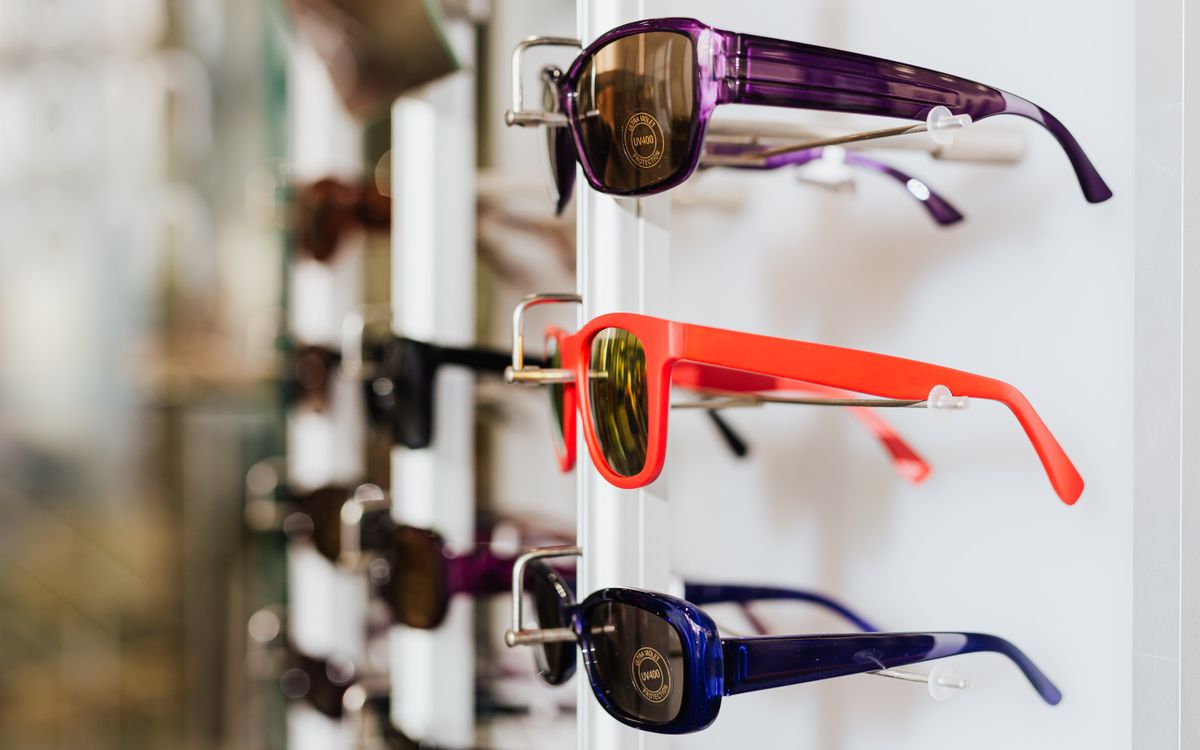
The mid-price tier is where lens material and construction claims start appearing on the product page.
At the mid tier, the Maui Jim Lighthouse represents the brand’s
lower-priced classic styles — the maker’s US catalog lists it at USD 199 in
five colorways. Every Maui Jim sunglass carries the brand’s PolarizedPlus2
lens system, and the brand’s product copy states the lenses eliminate 99.9%
of glare and block 100% of UVA and UVB; the two-year warranty is the
maker’s own published term. This is the tier where the checklist starts
returning real answers: named lens construction, published warranty, and a
brand whose entire line is built on polarization rather than treating it as
a variant. The frames at this price are lighter-duty than the brand’s
higher tiers, which is the honest cost of the lower figure.
The third answer is the Oakley Holbrook, the brand’s longstanding
wayfarer-style classic, whose US catalog currently lists Prizm Polarized
variants at USD 237. Oakley’s product pages specify Plutonite lens material
— a polycarbonate the brand states filters all UVA, UVB, UVC, and blue
light up to 400 nanometers — alongside the brand’s HDPolarized glare
filtering. On the checklist, the Holbrook scores on material transparency
and on shape: a moderate wrap with full coverage that suits driving use,
backed by prescription compatibility for buyers who need it. The cost is
weight in the aesthetic column rather than the technical one — the design
is two decades old and wears its age deliberately.
Where each pick loses
No pick survives its own column. The Percey Clip-On depends entirely on the
host frame’s condition, adds a visible seam to the silhouette, and offers
no wrap coverage at all. The Lighthouse buys entry-level pricing in the
line by trimming frame material; owners who want a heavier-built frame
move up within the same brand. The Holbrook’s Plutonite is light and
impact-tolerant but scratches visibly without case discipline, and the
square shape leaks more side glare than any wrapped sport frame. These are
the cons a buyer actually lives with, and none of them appears in the
listings’ own bullet points — which is the argument for running the
checklist rather than reading the bullets.
Buying notes: price bands and what they buy
Across the three picks, the price bands map to construction tiers with
reasonable precision. Under USD 100, verified polarization exists but only
as an add-on or a basic build — the clip-on tier. Between USD 150 and 250,
named lens systems, published UV claims, and warranty terms become the
norm, and this is the band where most everyday buyers should concentrate
their search. Above it, frame materials and sport-specific optics carry the
price more than polarization does. A buyer paying a premium for polarization
alone above the mid band is paying for something every pair in the band
already does.
Two habits protect the purchase regardless of band. First, confirm the
UV400 claim in writing on the product page, not on the hangtag alone — the
two documents are written by different departments at most brands, and only
one of them is quoted in disputes. Second, store the pair in its case: the
coating stack that makes polycarbonate lenses tolerable is exactly the layer
a pocket edge removes first.
The side-by-side
The three picks below cover the clip-on tier, the mid band, and the
material-transparent classic. The side-by-side table under this article
lines up price, lens claims, and warranty terms against each other; the
prose above is the checklist for reading them. For the label-level
distinction between polarization and UV protection — the single most common
misreading in the category — the
polarization claims guide keeps
the two concepts apart line by line.