Clothing
Pocket Construction Explained: Patch, In-Seam, and Welt
Pockets are the most operations-dense part of a garment. The three basic constructions — patch, in-seam, and welt — tell you where a maker spent its budget.
By Claire Donovan · Published Sep 30, 2026 · Updated Oct 8, 2026
The short version
Pockets are the most operations-dense part of a garment. The three basic constructions — patch, in-seam, and welt — tell you where a maker spent its budget.
Every label term in this guide is explained in what the symbols actually mean .
Pockets concentrate more sewing operations per square inch than any other part of a garment — the honest chapter of the cost story. A maker can economize on invisible allowances, but a pocket forces a choice: each of the three basic constructions — patch, in-seam, welt — carries a distinct price in labor, and the choice leaves readable evidence.
Patch: sewn on top
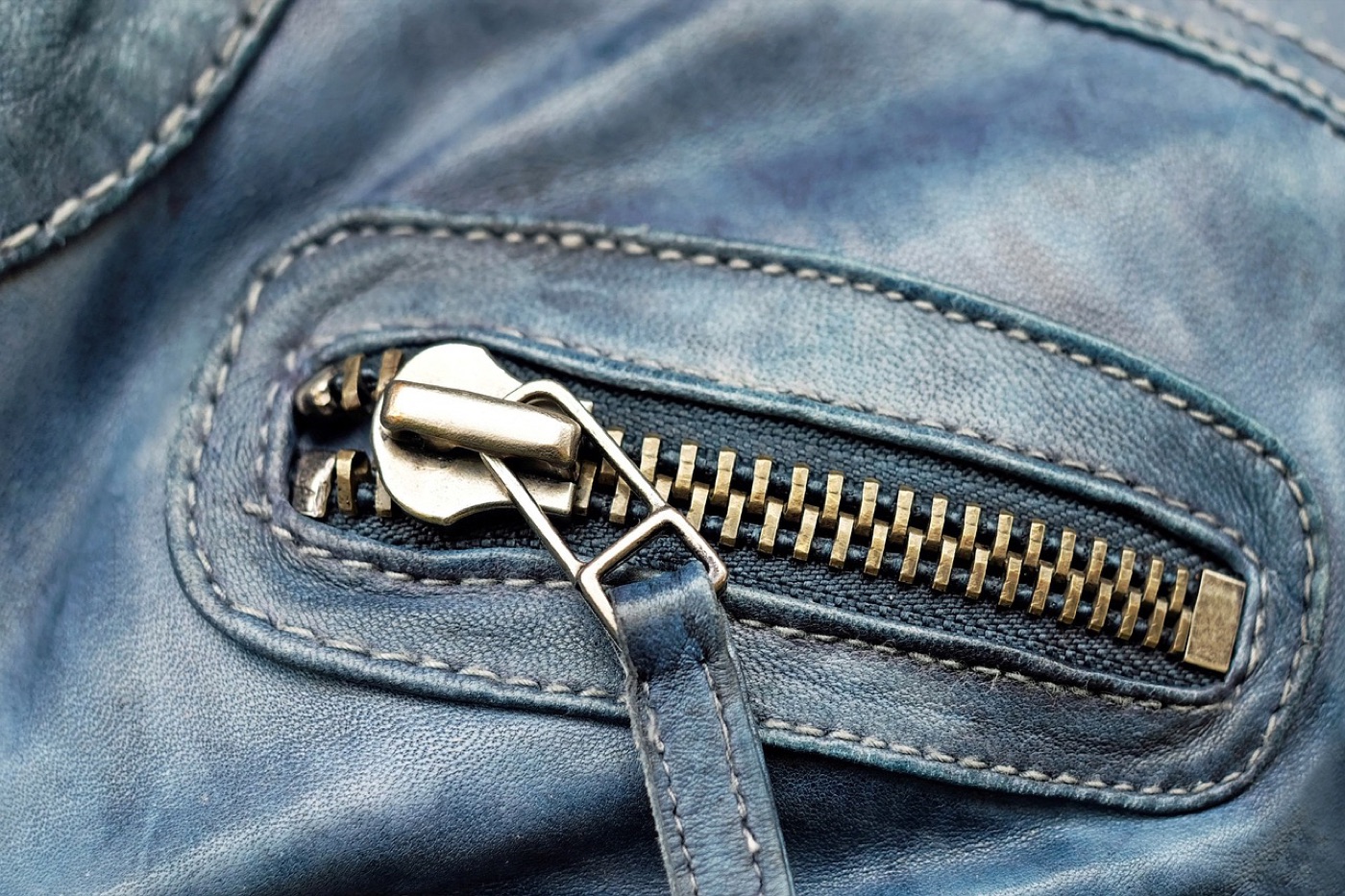
A patch pocket is a piece of fabric applied to the outside of the garment, edges turned under, topstitched in place. It is the oldest and simplest construction, standard on jeans, chore coats, and field shirts, and its weakness is visible: the opening is a raw top edge, and the pocket’s own weight strains the topstitching at the corners. Quality shows in three details. The top edge should be double-turned so no raw edge peeks out. The corners, where a phone eventually punches through, should carry bar-tacks. And the topstitch should run evenly — wobbling rows on a $200 jacket mean the factory skimped where it assumed you would not look. On tailored garments a patch pocket also breaks the silhouette, which is why it lives on casual wear and almost never on formal jackets.
In-seam: hidden in the joint
An in-seam pocket builds the pocket into an existing seam, so the opening is the seam itself and nothing interrupts the garment surface. The construction looks effortless and is not: the pocket bag must be joined to the seam allowance cleanly, and the opening corners are pure stress points that get nothing but thread. The failure mode is the seam opening at the pocket mouth, which is why better makers bartack both ends. If the pocket bag is sewn with a narrow single-stitch allowance the pocket will fail first, and the seam constructions inside a garment predict exactly where.
Welt: cut into the panel
The welt pocket is the labor cost test. The garment panel is slit, the cut edges are bound with welts — the narrow fabric lips — and a bag hangs behind, all before the lining closes over it. One welt makes a clean chest pocket; two make the hip pockets on a suit. A flap covers some openings, and the jetted formal pocket hides everything but a slit. The construction takes several machine operations plus hand finishing and cannot be faked cheaply: a budget machine-sewn welt on a jacket looks crisp on the shelf and puckers after its first pressing. On a proper jacket the welt sits level, gaps tight, and opens smoothly. Chest welts also belong inside the shoulder construction decisions of a jacket — both cost real labor, and neither is where budget tailoring spends.
The bag nobody mentions
The pocket bag is the part every construction hides, and the part that fails first. Cotton twill bags age well and quiet; slick polyester bags wear the shell fabric they rub against; thin bag fabric telegraphs coins into the silhouette. Check the bag seams — felled or double-stitched bags survive a decade of hands, single-overlocked bags survive a year or two of keys. The same inside-out reading that applies to pockets applies to the sew-through quality of a shirt button: the maker that finishes the small parts finished the structure.
The check takes under a minute: feel the pocket bag, look for bar-tacks at every opening corner, and run a finger along a jacket welt for puckering. Pockets are where a maker’s assumptions about you surface; the garment tells you whether it expects to be worn or photographed.
Claire Donovan
Spent eight years in womenswear buying before moving to editorial research. Reads care labels for fun and returns nothing without a wear log. How we rate.
More in Clothing
FAQ
- What is the difference between a welt and a besom pocket?
- On most garments they are the same construction. A welt pocket is an opening cut into the fabric and finished with bound edges, typically one or two welts. Besom is the tailoring term for the bound opening itself, and on formalwear it usually implies a clean jetted pocket with no flap and no visible topstitching. The terms describe one family: a slit in the garment panel, reinforced and finished, with the bag hidden behind.
- Do patch pockets signal low quality?
- No, but they signal a choice. A patch pocket is the least labor-intensive construction and suits casual garments, workwear, and utility clothing where access and durability matter more than silhouette. The quality signals are different from welt pockets: look for double-turned top edges that hide the raw edge, bar-tacks at the corners, and even topstitching. An unevenly sewn patch pocket on an expensive casual garment is a genuine downgrade.
- Why do pocket linings wear out before the garment?
- Because the pocket bag takes all the load. Hands, phones, keys, and repeated flexing concentrate stress on a small panel that is usually a lighter fabric than the shell. A cotton pocket bag wears softer and eventually tears at the seam; a polyester bag resists abrasion but tears where it meets the shell fabric of different stretch. Wider seam allowances and bartacked corners delay the failure by years.