Shoes
Getting Back to Running: Heel Drop and Cushioning, Explained
Heel drop numbers decoded, daily trainer versus max cushion, how EVA and PEBA foams differ in feel and lifespan, and when to actually replace shoes.
By Claire Donovan · Published Sep 16, 2026 · Updated Sep 16, 2026
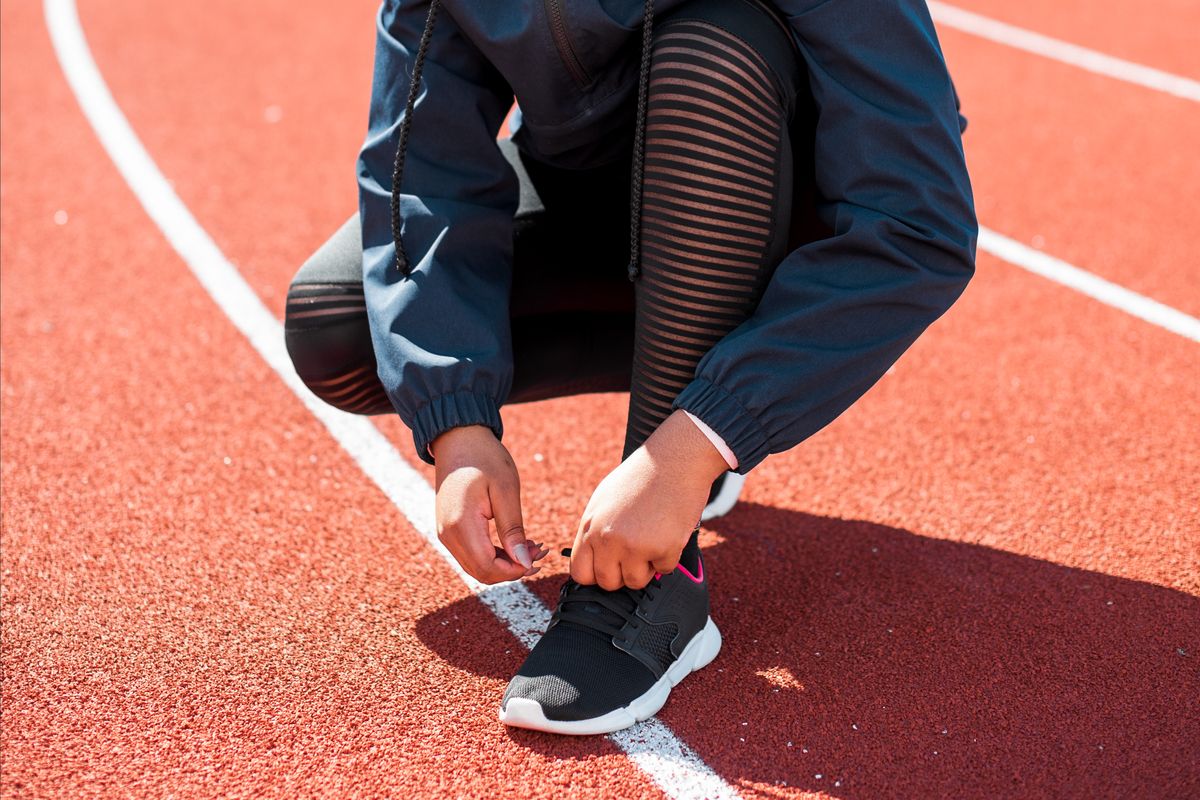
Coming back to running after a layoff means one shopping decision most people get backwards: they pick a cushioning level from a photo and ignore the two numbers that actually shape the experience — heel drop and the foam under the midsole. Both are on the spec sheet, and neither requires trying the shoe on.
Heel drop, and how to change it safely
Heel drop is the height difference between heel and forefoot cushioning, measured in millimeters. Traditional trainers sit at 8-12mm, a geometry that favors heel striking and spares the calves. Low-drop and zero-drop shoes, at 0-4mm, shift more of the workload to the Achilles and calf muscles, which is why transitioning to them too fast is a repeatedly reported cause of Achilles and calf problems. For a returning runner, the sensible strategy is boring: stay near the drop of your previous shoes, and if a change appeals, rotate the lower-drop pair in for one or two short runs a week over several weeks before making it primary.
Daily trainer versus max cushion
Within the same drop, stack height separates the categories. A daily trainer carries a moderate stack — enough foam to absorb road impact without destabilizing the foot — and suits most runners for most runs. Max cushion shoes stack substantially more foam for long or high-impact days; the tradeoffs are weight and a taller platform that some runners find less stable on turns. Neither is an upgrade over the other. A returning runner logging easy miles is usually better served by the daily trainer, with max cushion as the second pair for long runs rather than the first pair overall.
What the midsole foam actually is
The foam determines both the ride and the replacement schedule. EVA, the long-standing standard, is affordable and firm but loses rebound relatively early — commonly reported around the 300-400 mile mark. TPU foams are bouncier and notably more durable, often cited past 500 miles at the cost of weight. PEBA-based superfoams, now common in performance trainers, deliver the highest energy return and are typically rated in the 300-500 mile range before their responsiveness fades. None of this needs brand loyalty; it is chemistry. The same check-the-specs-first habit that applies to white leather sneakers applies here: the material name on the listing tells you more than the marketing name on the box.
The 300-500 mile baseline
The standard advice — replace running shoes every 300 to 500 miles — traces back to mid-1980s research on EVA midsoles and remains a reasonable default, with modern TPU and blended foams stretching the upper end. Rather than tracking mileage precisely, watch the foam: flat spots under the heel, creases that no longer spring back, or new aches on familiar routes. And fit the shoes for the feet you have, not the feet you plan to earn — width options and roomier toe boxes are covered in more detail in our guide to why shoe size charts disagree.
FAQ
- Does heel drop matter for beginners?
- It matters for comfort, not for results. A traditional 8-12mm drop is the safe default because it asks less of the calves and Achilles. What actually causes trouble is switching drops abruptly — a runner moving from 12mm to 0mm shoes too quickly is a common route to calf strain and Achilles trouble.
- How do I know my running shoes are worn out?
- Feel, more than appearance. When the midsole feels flat underfoot, stops springing back, or shows deep creases that stay compressed, the cushioning is spent even if the outsole looks fine. New aches in the knees or hips on familiar routes are the other common signal.
- Do I need a wide running shoe?
- If your feet feel compressed at the ball or your small toes press the upper, yes. Several major brands stock 2E and 4E widths in their core trainers, and some models are simply cut roomier than others. Feet also swell during longer runs, so a shoe that barely fits at mile one may pinch at mile five.
Claire Donovan
Spent eight years in womenswear buying before moving to editorial research. Reads care labels for fun and returns nothing without a wear log. How we research.